If you’re travelling the UK in a 4×4 campervan, wild camping opens up the chance to stay in some incredible, off-the-beaten-path locations. From remote Scottish lochs to rugged Welsh valleys, the right campervan gives you access to places motorhomes can’t always reach. But before you park up for the night, it’s important to understand the legal side too.
Is Wild Camping Legal in the UK for 4×4 Campervans?
In England, Wales and Northern Ireland, there is no automatic right to camp on open countryside without landowner permission. In practice, you must ask the landowner (or use a designated site) to stay overnight.
In Scotland, broad access rights allow lightweight wild camping in unenclosed land (such as hills, moors) under the Scottish Outdoor Access Code. However, these rights do not include motorised vehicles, such as campervans or motorhomes – parking or staying overnight in a vehicle still usually requires landowner permission or must be in a place designated for vehicles.
Because of this, while it might seem possible to pull up in remote places and camp, legally you are in a grey area unless you have explicit permission or are using a facility that allows overnight vehicle stays. Always check local by-laws, property ownership and land-manager rules before you stop overnight.
Tips for Responsible Wild Camping
- Stick to hard-standing areas or existing lay-bys, not fields or boggy ground
- Arrive late, leave early
- Never light open fires
- Take all rubbish with you
- Don’t use generators late at night
- Avoid blocking access to gates or tracks
5 Remote-Style Camping Spots Popular with 4×4 Campervan Owners
While true wild camping in a vehicle isn’t legally permitted in most places without permission, some areas are commonly used by 4×4 campervan owners who follow leave-no-trace principles. Always verify the latest local guidance or landowner rules before staying overnight.
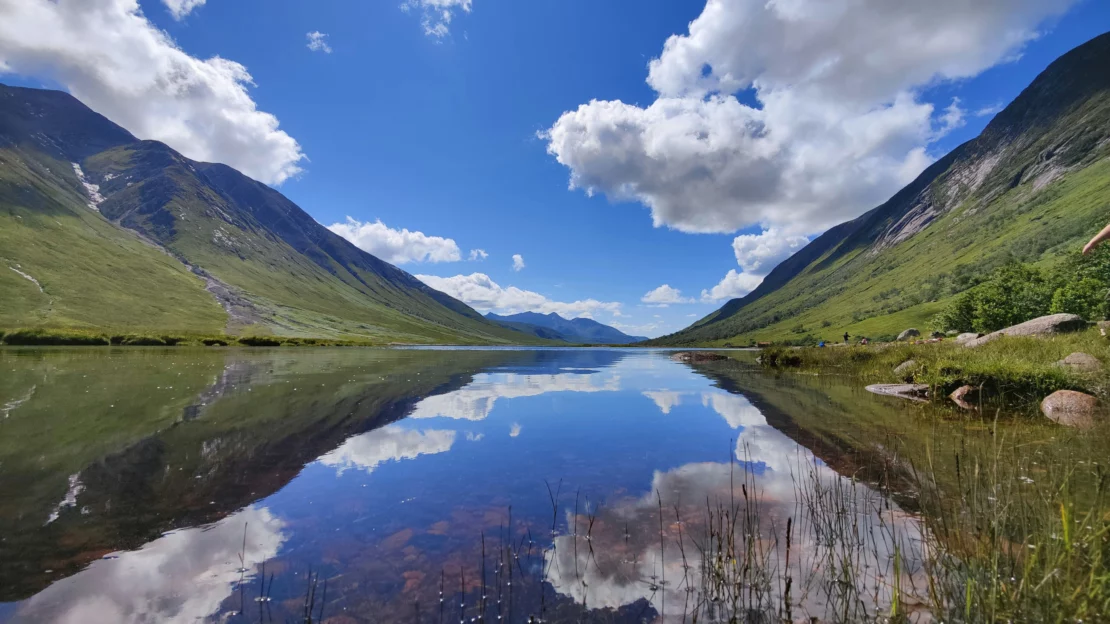
1. Loch Etive, Scottish Highlands
A remote and beautiful location reached via a rough track – ideal for 4x4s. Popular with vanlifers for its seclusion and views. Technically, vehicle overnight stays require landowner permission, but some lay-bys nearby are used informally. Use with care.

2. Rhinog Mountains, Snowdonia, Wales
This rugged and less-travelled part of Snowdonia offers forest tracks and remote valleys, with rough access that suits 4x4s. Wild camping in a campervan is not permitted without permission – check if local farms or forestry land offer informal stopovers.
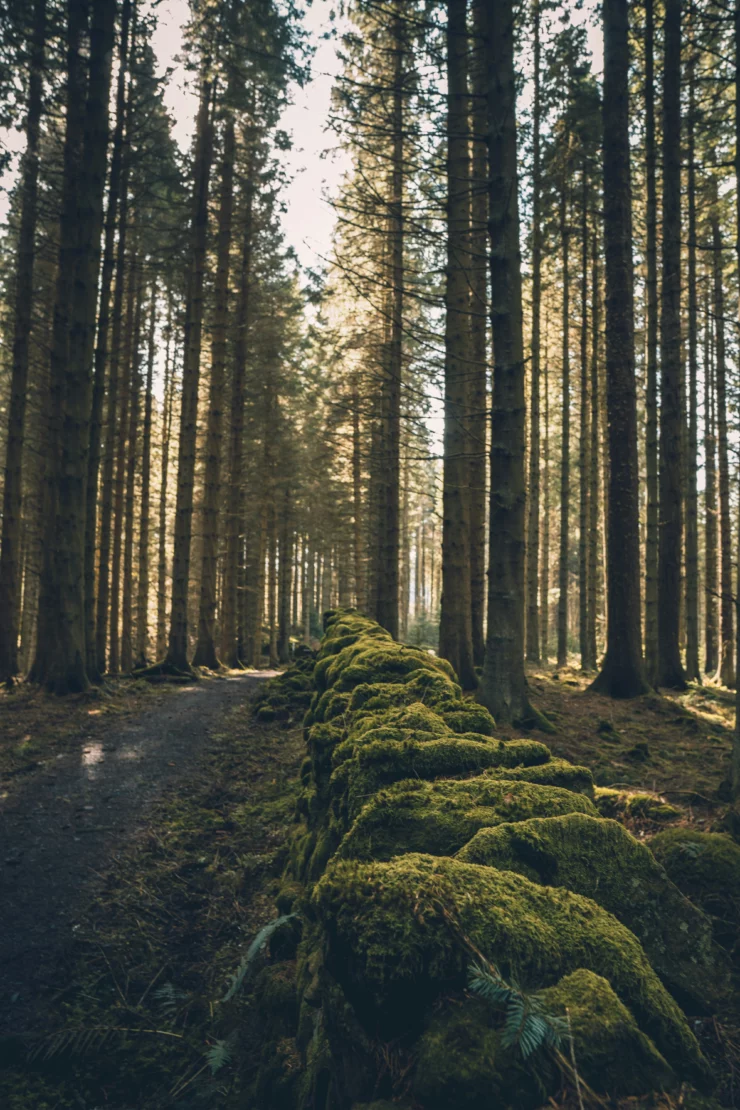
3. Kielder Forest, Northumberland
England’s largest forest park has quiet tracks and clearings, though wild camping is not officially permitted. Forestry England occasionally provides designated motorhome parking or stopovers – check ahead before planning an overnight stay.
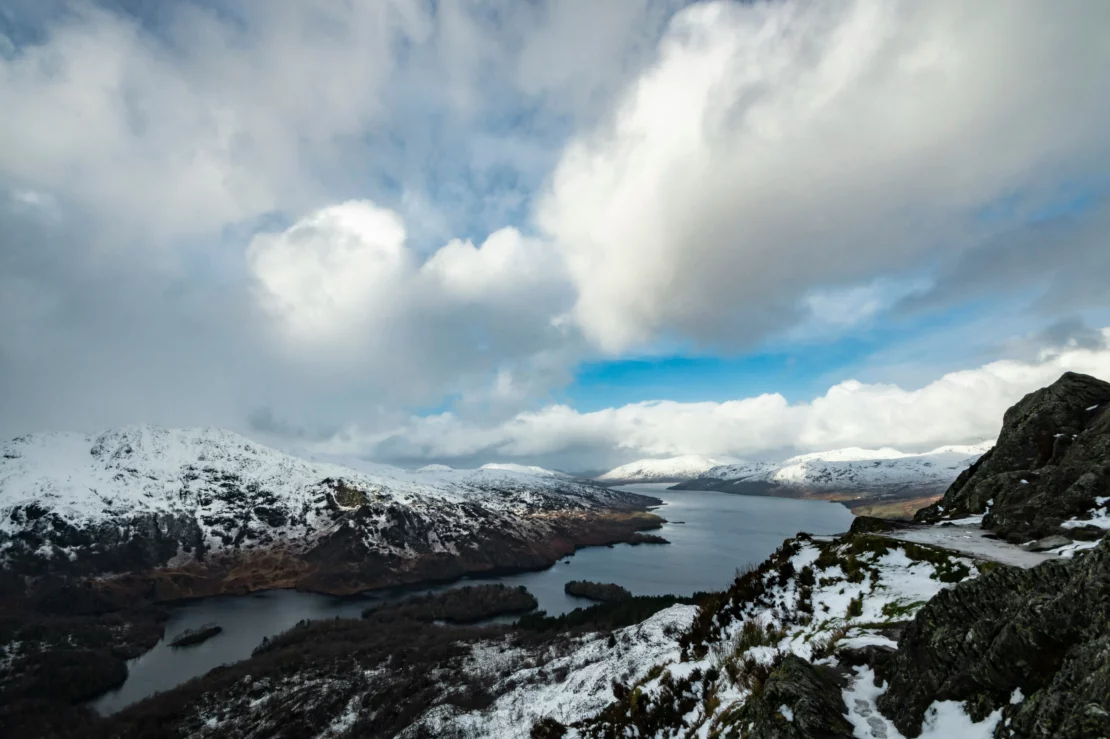
4. The Trossachs, Scotland
Some areas now require a paid permit (available online). These cover specific zones and allow vehicle stays in marked bays. Off-road overnight parking is not allowed. Look for permit camping near Loch Arklet or follow the National Park guidelines.
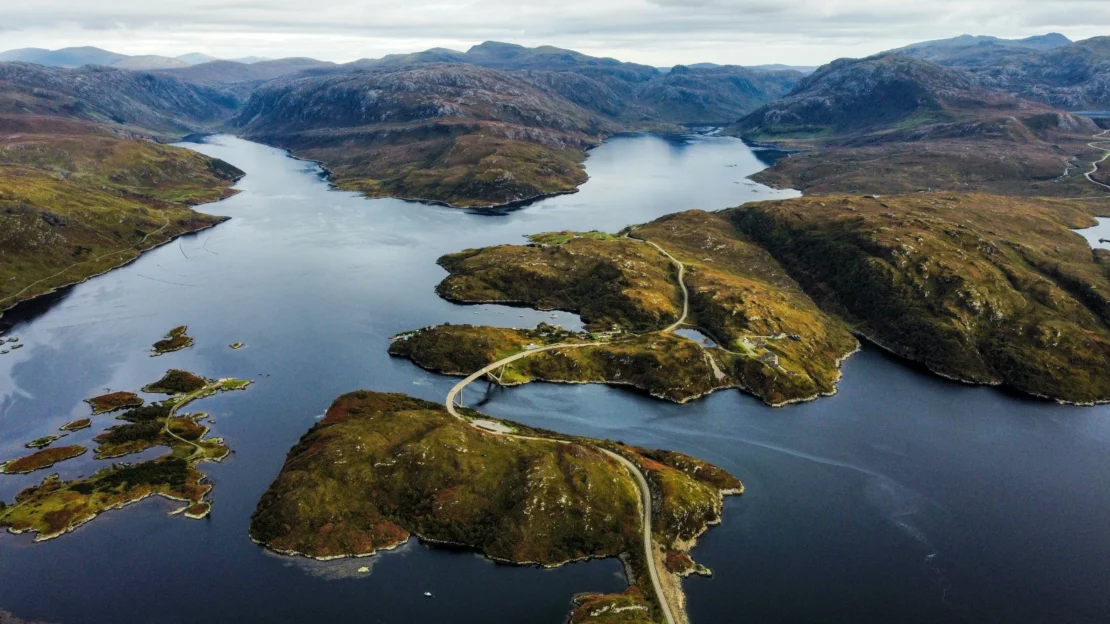
5. The North Coast 500 Route
Wild camping is common along the NC500, but pressure from overuse has led to local restrictions. Campervans must use permitted parking areas, formal stopovers or seek landowner permission. A 4×4 campervan helps you reach more isolated areas, but legality still depends on local rules.
Plan Your Adventure with Southdowns Motorhomes
A 4×4 campervan gives you the freedom to explore places many can’t reach – but with that freedom comes responsibility. Always follow local rules and aim to leave places better than you found them.
Looking for a capable vehicle to handle wild camping trips? Speak to the team at Southdowns Motorhomes about 4×4 campervan options, or view our full range of campervans.
Frequently Asked Questions
Not by default. In England, Wales and Northern Ireland, it requires landowner permission. In Scotland, you can camp in a tent under access rights, but campervan overnight stays still need permission or a designated stopover.
Use authorised motorhome stopovers, certain pub car parks (with consent), and designated forestry parking areas. Some remote locations are used informally, but legality depends on local rules.
Not essential, but a 4×4 is useful if you’re visiting rough tracks or remote places off tarmac. It helps reach quieter locations that standard motorhomes might avoid.
Only in permitted areas or with permission. Some lay-bys and designated bays are available, but irresponsible parking has led to local restrictions.
Apps like Park4Night, Searchforsites, and Brit Stops help find legal stopovers and informal park-ups. Always double-check current rules and reviews. Check our article on helpful apps for motorhome and campervan owners.