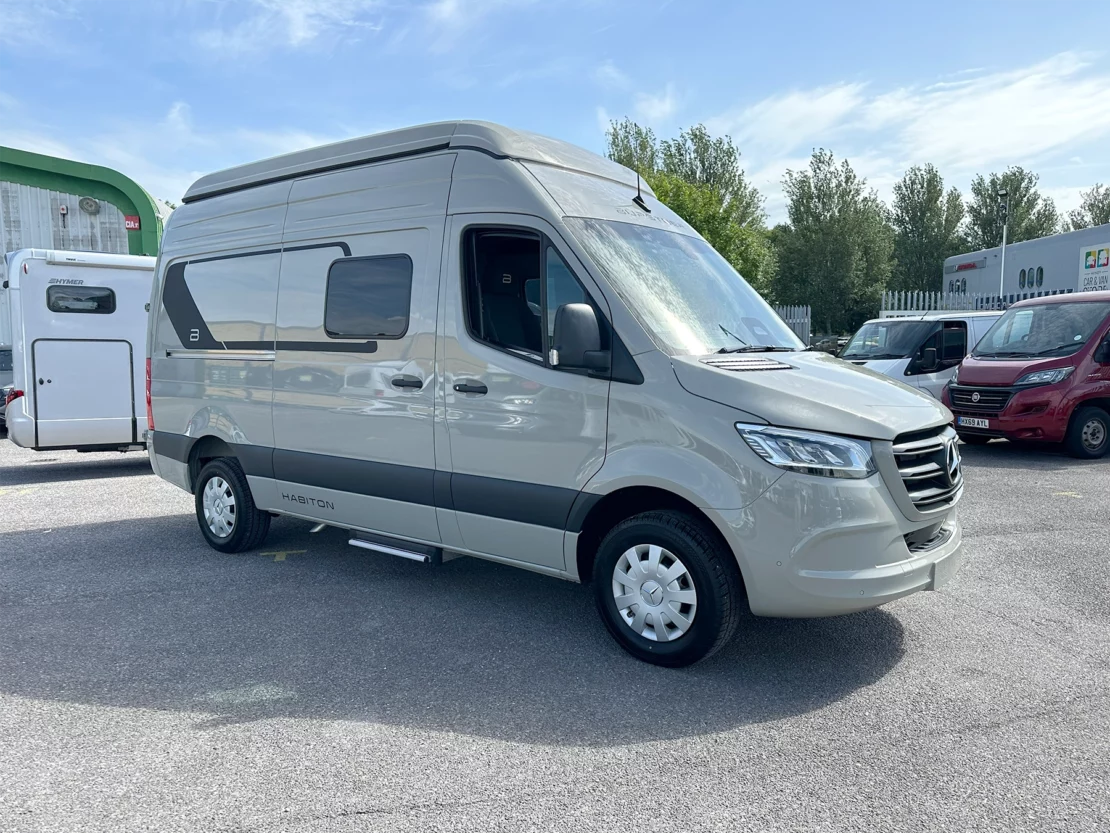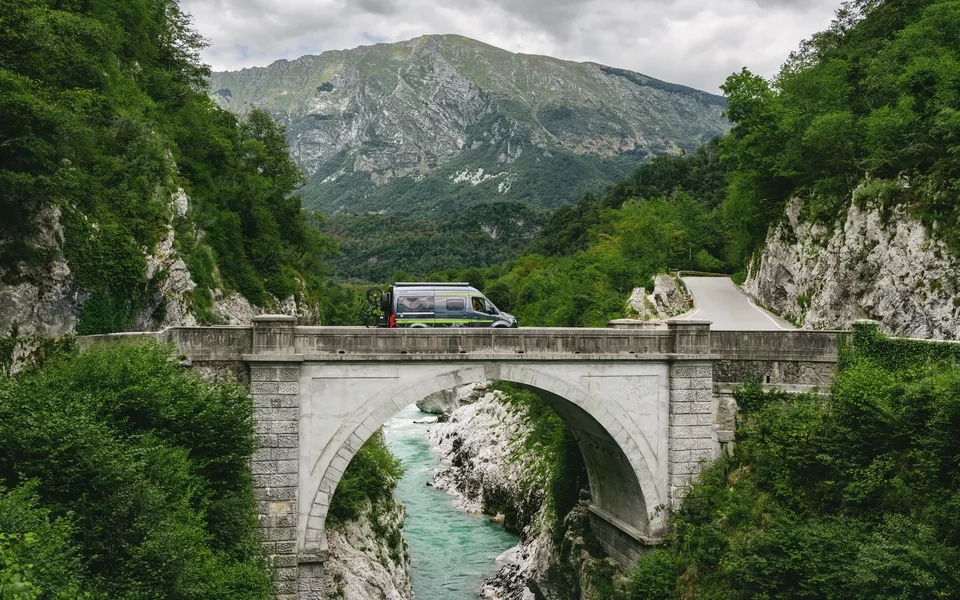
Whether you crave coastal cliffs, dramatic mountain passes or wild‑camping among alpine glaciers – a 4×4 campervan opens up some of Europe’s most memorable drives. Below we highlight ten of our top routes for 4×4 campervans (or suitably sized campervans), combining UK wild landscapes and European alpine roads.
1. North Coast 500 (Scotland, UK)
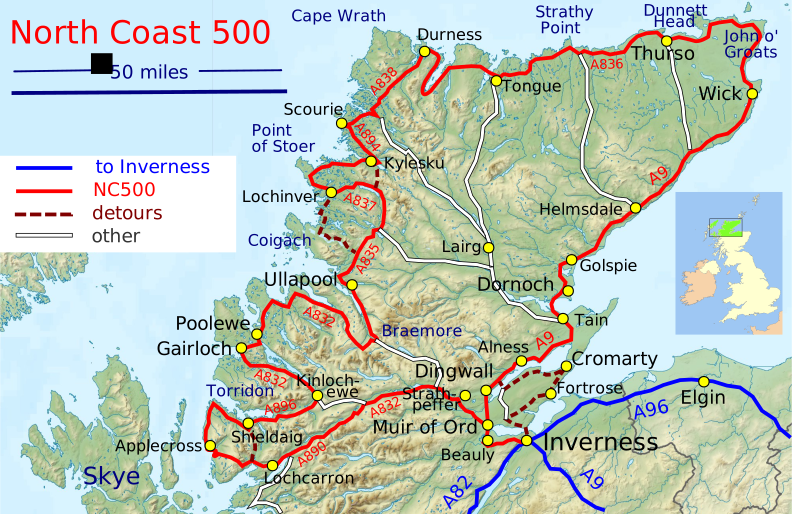

Why it’s great: A roughly 516‑mile circular route around northern Scotland – wild coastline, sea lochs, moors, remote Highlands and coastal cliffs. A 4×4 campervan gives you flexibility to explore remote stopping‑points and lesser‑visited tracks (where permitted).
Difficulty: Moderate. Much of the route is on tarmac and main roads, but narrow single‑track roads and remote stretches demand care.
Campervan suitability: Best with a medium‑sized 4×4 campervan – allows better handling on narrow roads and gives flexibility if you take side‑tracks.
Best time: Late spring to early autumn (May–Sept) – longer daylight and more stable weather. Outside peak summer, easier to find quieter stops.
Suggested itinerary (7–10 days): Start/finish in Inverness; travel anticlockwise: visit coastal cliffs & sea stacks (north & east), then across to west coast lochs, remote beaches, and finish through the Highlands.
Planning tips: Use reliable maps or GPS, check single‑track road passing‑place etiquette, and allow time for slower driving and frequent stops for viewpoints and wild‑camping (where legal).
2. Grossglockner High Alpine Road (Austria – Alps)
Why it’s great: A legendary alpine road crossing the heart of the Alps – 48 km of winding mountain road with 36 hairpin bends, climbing to a height of 2,504 m at the Hochtor Pass, with access to glaciers, panoramic peaks, alpine meadows, and more.
Difficulty: Moderate to challenging. The road surface is good, but hairpins and altitude require careful driving.
Campervan suitability: A well‑sized 4×4 campervan (not oversized / overlong) – clearance and drive stability are a benefit; larger vehicles should check dimensions carefully before entry.
Best time: Road is seasonal – typically open from early May to late October. Early summer gives dramatic snow‑wall scenery; early autumn combines colour with quieter traffic.
Suggested itinerary (2–3 days): Enter from Salzburg / Bruck side; stop overnight in nearby towns (e.g. Heiligenblut or Lienz); drive up to viewpoints (Edelweissspitze, Kaiser‑Franz‑Josefs‑Höhe), explore glacier trails, then continue south or on to Dolomites / Italy.
Planning tips: Buy the toll pass ahead (road is pay‑to‑use), check weather and snow status even in summer (Alpine weather changes fast), and allow time for short hikes or walks around viewpoints rather than just driving through.
3. Trollstigen (Norway – Fjord & Mountain Pass)

Why it’s great: One of Europe’s most dramatic mountain roads: narrow, winding with 11 hairpin bends, steep incline (~10 %), rising through mountain valleys and offering fjords, waterfalls and sweeping views.
Difficulty: Moderate–hard. The road is narrow and winding. Vehicles over 12.4 m long are officially prohibited.
Campervan suitability: Medium‑size 4×4 campervan with good handling – avoid very long / heavy rigs.
Best time: Summer season (roughly late May–early October) – outside this season the road often closes for snow or maintenance.
Suggested itinerary (3–4 days): Use as part of a wider Norway fjord + mountain trip. Approach via Åndalsnes, drive Trollstigen, stop at viewpoints / waterfalls, then continue to nearby fjords or continue Nordic route.
Planning tips: Use passing places patiently, drive in daylight if possible, respect narrow lanes; when wild‑camping or overnighting, follow Norwegian rules – don’t dump grey water, respect nature, use designated facilities.
4. Route des Grandes Alpes (France – Alps to Mediterranean)
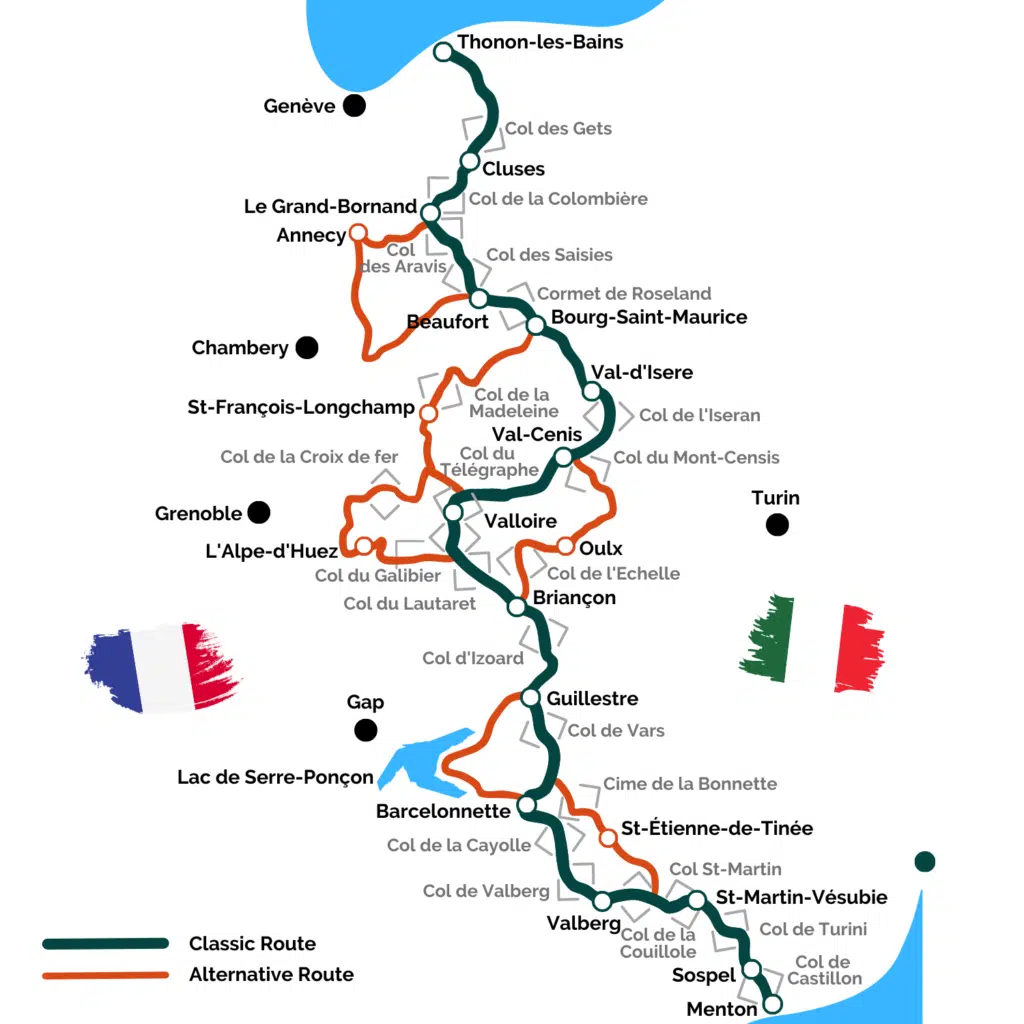
Why it’s great: A classic alpine-to-coast drive. The route takes you through multiple mountain passes and alpine valleys, from high mountains down toward Mediterranean or lower‑lying regions – combining rugged alpine beauty with mild lowland cruising.
Difficulty: Moderate – depends on how many high passes you tackle. Some passes are narrow, steep or twisty; others are gentler.
Campervan suitability: Medium sized 4×4 campervan works best, particularly if tackling high passes. Avoid very large motorhomes if they’re long / heavy.
Best time: Late spring to early autumn (June–Sept), when passes are open and weather is more stable. Outside that season some passes may be closed due to snow.
Suggested itinerary (7–10+ days): Start in the French Alps (e.g. around Grenoble / Gap), progress south thru alpine passes, cross toward Provence or Mediterranean coast – stop in alpine villages, mountain lakes, then descend to coast for a mix of mountains + sea.
Planning tips: Check individual pass statuses (some may be closed); plan for slower driving through passes; choose scenic stays – mountain campsites or small alpine villages, rather than major motorway stops.
5. Transfăgărășan (Romania – Carpathian Mountains)

Why it’s great: A dramatic mountain pass route crossing the southern Carpathians – with winding roads, sharp bends, high altitude (up to ~2,040 m), mountain lakes, reservoirs and great scenery.
Difficulty: Moderate–hard. The road has many bends, altitude changes, and can be busy or unpredictable (livestock, local traffic).
Campervan suitability: Medium‑sized campervan works – avoid very large rigs, especially if towing or wide. 4×4 helps with stability but not strictly required (surface is paved).
Best time: Summer months (June–September) when the pass is open. Outside winter the road is closed due to snow.
Suggested itinerary (4–6 days): Approach via Sibiu or Curtea de Argeș; ascend Transfăgărășan, stop at Bâlea Lake or Vidraru reservoir; explore side trails or mountain walks; overnight in mountain‑side campsites or nearby villages.
Planning tips: Drive slowly – watch for livestock or local traffic, especially around bends; prepare for narrow roads and possibly limited facilities; respect local restrictions; check weather before ascending.
6. (UK) Bealach na Bà (Applecross Peninsula, Scotland)

Why it’s great: Coastal‑mountain pass on the Applecross Peninsula – steep gradients, dramatic views from sea to mountains, tight hairpin bends and narrow road give a sense of real adventure.
Difficulty: Hard. The road is narrow and steep; not ideal for very large or heavy motorhomes.
Campervan suitability: Small-to-medium 4×4 campervan; avoid long vans or large motorhomes.
Best time: Late spring through early autumn – avoid winter when weather and road conditions are more unpredictable.
Suggested itinerary (2–3 days): Combine this route with a broader Highlands / West Coast Scotland trip. Travel to Applecross, drive the pass, stay overnight, then explore nearby coastal or Highland areas.
Planning tips: Drive slowly, be confident handling tight bends, stay alert for oncoming traffic; check weather (wind, rain can make the road challenging); ideally travel light (minimal load) for better handling.
7. (UK) Hardknott Pass (Lake District, England)
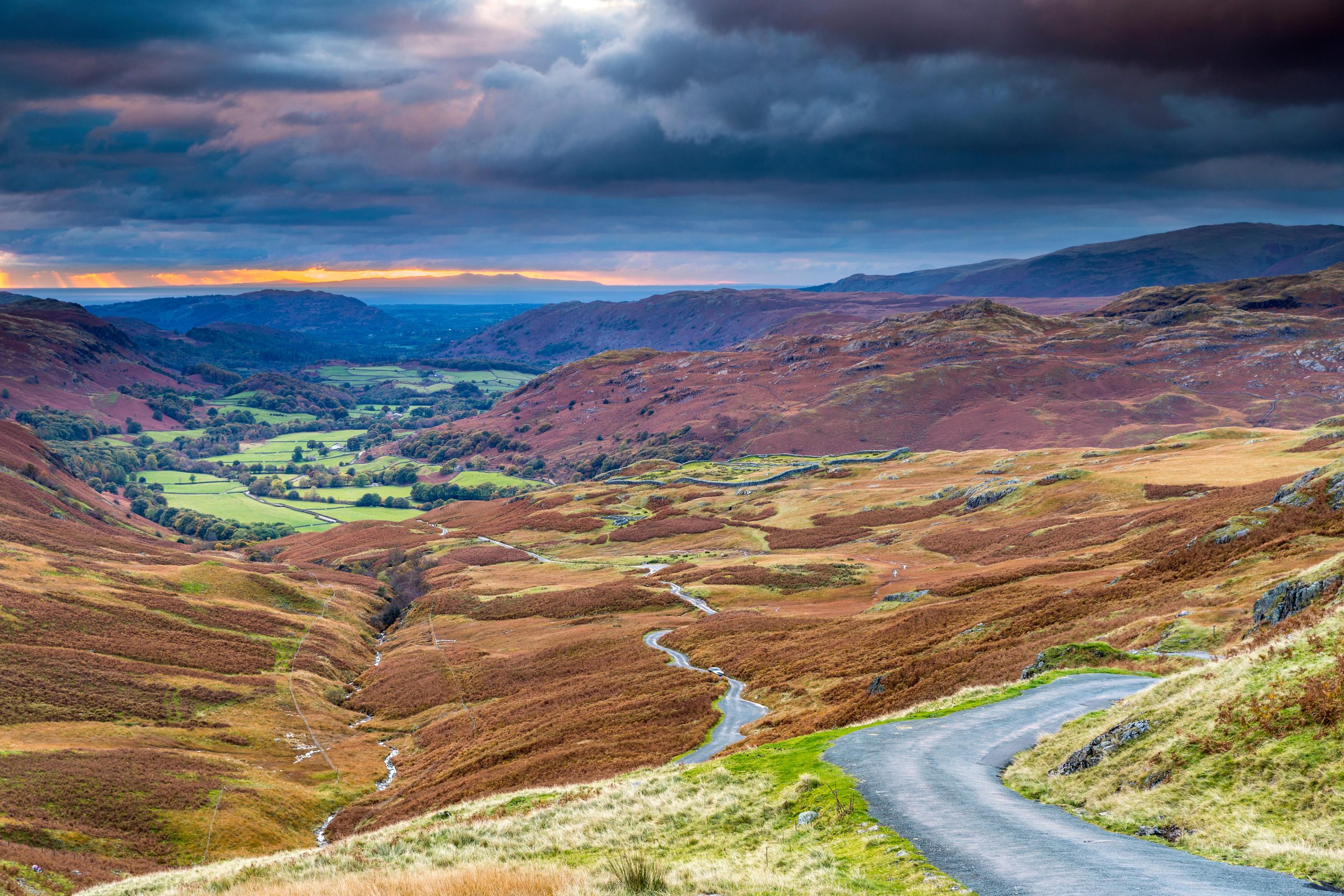
Why it’s great: One of England’s steepest and most dramatic roads – connecting valleys with narrow, twisting terrain and offering upland scenery, hills and a real sense of adventure.
Difficulty: Hard. Steep gradients, narrow road, and tight bends demand care.
Campervan suitability: Medium 4×4 campervan – small vans preferred; large/long motorhomes not recommended.
Best time: Late spring to early autumn, ideally avoiding rainy or icy days.
Suggested itinerary (1–2 days): Combine with a broader Lake District trip. Use Hardknott to cross between valleys, then explore nearby mountains, trails or lakes.
Planning tips: Check weather and road conditions; ensure brakes, engine and tyres are good – steep descents can be tough; drive slowly and cautiously.
8. (UK) Porlock Hill & Coastal / Rural Lanes (Somerset → Devon/Cornwall, England)

Why it’s great: A combination of steep countryside climbs (Porlock Hill) and coastal / rural lanes – giving a chance to explore quieter coastal villages, countryside and scenic rural England, away from major tourist traffic.
Difficulty: Moderate. Some climbs and narrow lanes, but overall less extreme than alpine passes.
Campervan suitability: 4×4 campervan recommended for better handling on rural lanes; standard campervans possible if careful.
Best time: Spring through autumn; summer offers best weather, though rural roads may be busier.
Suggested itinerary (3–5 days): Base around Somerset or Devon; explore coastal villages, lanes, countryside; combine with coastal walking, local coastal towns, maybe overnight near coast or countryside campsites.
Planning tips: Be cautious on narrow lanes and hills; plan stops in small villages or campsites; drive carefully if towing; follow local road rules, watch for livestock or agricultural vehicles.
9. (UK) Remote Highlands & Wilderness Access (Scotland & Remote UK Regions)

Why it’s great: For travellers seeking solitude and remote beauty – a 4×4 campervan lets you access forest tracks, highland glens, remote lochs, moorlands and wilderness areas that standard vans might struggle to reach.
Difficulty: Moderate to hard, depending on how remote the tracks are and ground conditions (mud, narrow tracks, rough terrain).
Campervan suitability: True 4×4 campervan with good ground clearance; off‑road‑capable tyres desirable; avoid low‑clearance vans or long, heavy RVs.
Best time: Late spring to early autumn; avoid winter due to weather, mud, and limited access.
Suggested itinerary (varied): Combine several remote highland areas; plan for multiple nights in remote spots, bring provisions, water, fuel; combine with walking, fishing, hiking or wildlife watching.
Planning tips: Always check access permissions (landowner rights, public‑access regulations); travel with minimum impact – follow “leave no trace”; prepare for remote conditions – water, fuel, communications; avoid single‑track tracks in heavy rain; respect local wildlife.
10. (European) Mixed Alps‑to‑Coast & Multi‑Country Alpine / Coastal Route

Why it’s great: For those who want maximum variety – combine alpine mountain roads, high passes, valley drives, and eventually descend toward coastal or lower‑lying regions. Perfect for longer continental trips with diverse scenery and experiences.
Difficulty: Varies by segment – alpine passes may be demanding; valley/coast parts easier. Overall moderate-to-challenging depending on choices.
Campervan suitability: Medium 4×4 campervan recommended; flexibility helps when terrain changes (mountains, valleys, coast).
Best time: Late spring to early autumn (June–September) when passes are open and weather more stable.
Suggested itinerary (10–14+ days): Example: start in Austria (Alps) → cross mountain passes (like Grossglockner) → head into French or Italian Alps → descend to Mediterranean / coastal region → enjoy coast & lowlands → return via ferry or overland.
Planning tips: Check seasonal opening of passes, road and vehicle restrictions, local traffic rules, campsite/camper‑stop availability; plan for a mix of terrains and stay flexible; plan fueling, water and waste disposal especially if wild‑camping or remote staying, and avoid high-traffic peaks if possible.
General Planning & Safety Checklist for 4×4 Campervan Off‑Road / Scenic Travel
| ✅ What to check / bring | Why it matters / Tip |
|---|---|
| Vehicle suitability (ground clearance, size, weight, 4×4 or AWD) | Many routes have steep gradients, hairpins, narrow lanes. 4×4 or good clearance improves safety & access. |
| Seasonal / pass open status | Alpine & mountain routes often close in winter or after snow. Always verify dates before travel. |
| Local regulations (wild‑camping, waste disposal, road rules) | Some countries restrict overnight stays off‑grid; many require proper disposal of grey water, respect for nature. |
| Route planning & time allowance | Mountain / narrow roads are slow, allow extra time, daylight driving, frequent rest or stops. |
| Supplies & emergency kit (fuel, water, maps, spare tyre, warm clothes) | Remote routes or wilderness access may lack services; always prepare. |
| Respect for nature / “leave no trace” ethics | Essential for environmental protection and maintaining access for future travellers. |
| Insurance, documentation, border / vehicle paperwork (for EU trips) | For European travel, ensure UK‑registered campervan has correct insurance, V5 or equivalent, consider additional breakdown / European cover. |
Why a 4×4 Campervan Makes All the Difference
- Off‑road / all‑wheel drive and higher ground clearance let you tackle mountain passes, rough tracks, remote forest roads or narrow rural lanes – which many standard campervans and motorhomes would struggle with.
- Flexibility: you can stop at remote lay‑bys, wild‑camp (where permitted), or explore side‑tracks and viewpoints that are off the tourist trail.
- Safety and control: better traction and stability on hilly, steep, or uneven terrain – especially useful in mountains or remote areas.
At Southdowns Motorhomes, we believe that if you want to explore beyond the typical campsites and tourist routes – whether in the Scottish Highlands, the Alps or the Carpathians – a 4×4 campervan isn’t just a convenience, it’s a key to freedom, adventure and unforgettable experiences.
UK & European Off-Road Campervan Tour FAQ’s
Most alpine and high-mountain routes are open from late spring to early autumn (May to October). Always check local road opening dates and weather conditions before travelling.
In the UK, wild camping laws vary by country and landowner. In Scotland, it’s generally more accepted under certain rules. In Europe, wild camping is often restricted – use official camper stops or motorhome parks where possible.
Not all of them – but a 4×4 offers added traction, stability and clearance. It’s especially useful on steep climbs, rural or uneven tracks, and when exploring less-developed areas.
Many of the routes are better suited to small-to-medium campervans due to narrow roads and sharp bends. Check route details, length and gradient limitations before setting out.
The North Coast 500 in Scotland and the Route des Grandes Alpes in France are both excellent choices – offering a mix of landscapes, accessible roads, and lots of well-spaced stopover options.
Written by the Southdowns Motorhomes team. With decades of experience supplying premium motorhomes to UK and European customers, our team understands what makes a vehicle suitable for serious touring.